
Rebecca Serviss - Senior Content Creator
As winter transitions into spring, ice conditions change dramatically across lakes, ponds, and built environments alike. In January, sustained cold temperatures create solid, stable ice, often suitable for industrial uses such as ice road construction. As spring approaches, however, rising temperatures and increased sunlight weaken ice from the surface down, creating hidden fissures, soft spots, and uneven thawing. These same freeze‑thaw cycles pose serious risks on business properties, where roads, parking lots, walkways, and parking structures can appear safe while concealing black ice, surface deterioration, and structural instability. This unpredictability presents significant challenges for industries reliant on safe, stable surfaces, requiring heightened awareness and adjustments to safety protocols and operational strategies.
The Challenge
March brings longer daylight hours and increased solar radiation, weakening ice from both above and below. This gradual warming makes ice porous and fragile, triggering freeze‑thaw cycles that create deceptive surface conditions. On business properties, these cycles can turn roads, parking lots, walkways, and parking structures into hidden hazards, where black ice, refreezing meltwater, and surface deterioration pose serious risks to vehicles and pedestrians. While conditions may appear safe, dangers often lie just beneath the surface, requiring operators and property managers to remain vigilant and plan carefully when managing frozen or thawing areas.
To adapt to changing conditions, companies should implement comprehensive safety measures and leverage technology to monitor ice integrity, such as measuring thickness and using thermal imaging to assess density. These practices are just as critical for business roads, parking lots, walkways, and parking structures, where freeze‑thaw cycles can create black ice, refreezing meltwater, and surface degradation that threaten both pedestrians and vehicles. Industries must follow ice safety warnings issued by local authorities and utilize appropriate tools, including ice‑measuring equipment and flotation devices where applicable.
Understanding seasonal changes enables operators and property managers to maintain safer environments through regular surface assessments, conservative operational timelines, and training staff to recognize signs of ice instability. Investing in advanced technology, such as drones equipped with thermal cameras, can provide real‑time insights to support informed decision‑making and reduce risk across commercial properties.
How CSR Can Help Your Business
Local and state transportation departments manage public roads, but private businesses face challenges from ice during the March thaw. Lacking public resources, these businesses must proactively manage icy surfaces. Commercial Snow Removal (CSR) offers comprehensive winter weather management services, including prevention and post-event cleanup, using advanced technology to ensure safe and accessible premises for employees and customers.
We Offer:
Pre-Storm Preparation - Forecast-driven, pre-storm weather evaluations guarantee a suitable response, equipment preparation, preloading, and an operational site review prior to each storm, with site conditions determining the necessary actions. Additionally, we will ensure the replenishment of the on-site deicing material inventory.
Dedicated Site Resources - A comprehensive service team is present on-site before the storm arrives. We offer environmentally friendly storage solutions for deicing materials. Additionally, we evaluate and prepare contingency plans for any extra equipment needed beyond our on-site fleet.
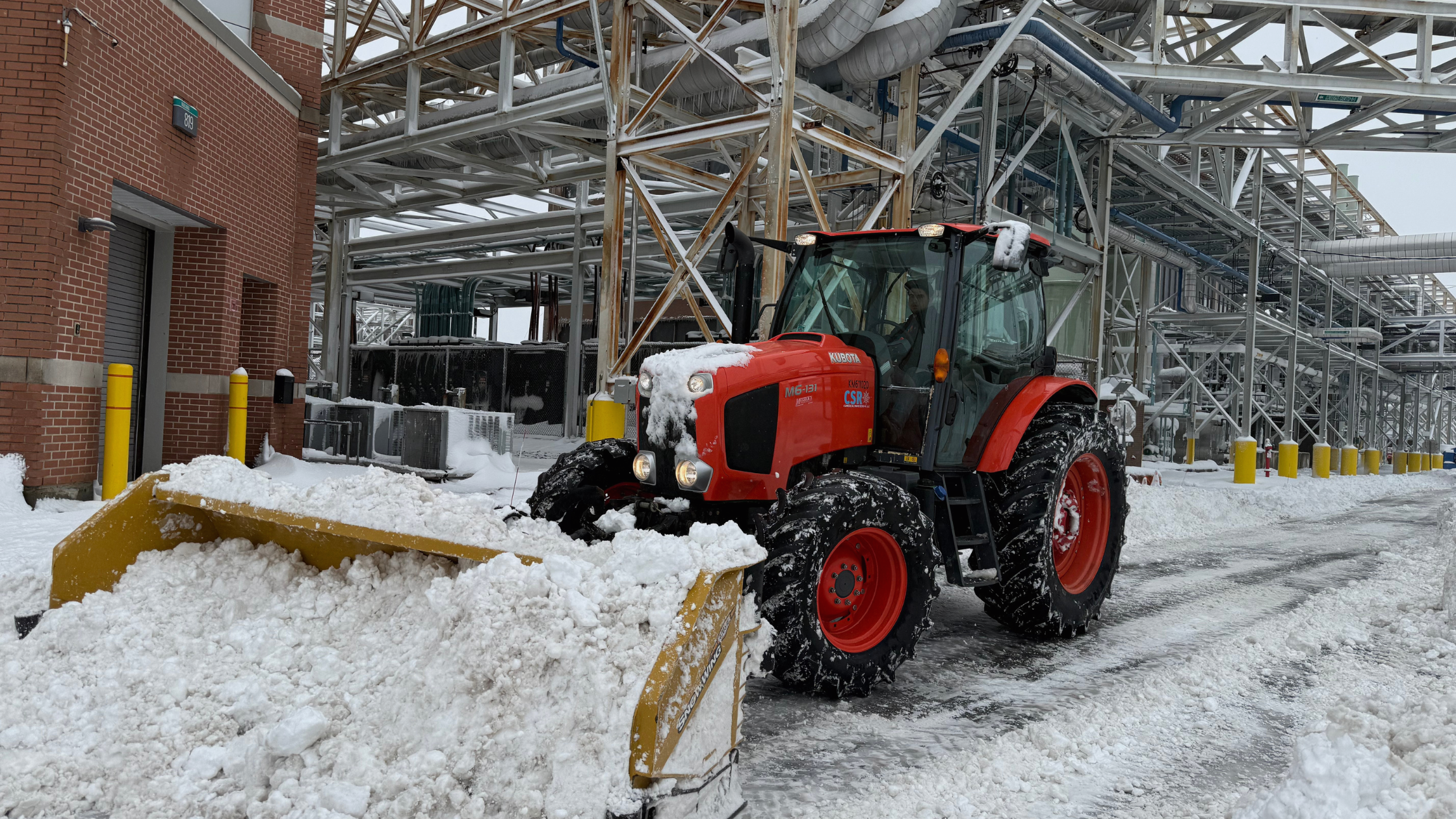
Cutting Edge Equipment - We offer tractor-mounted rotary brooms that clean down to the surface, as well as convertible winged plows designed for versatile cleaning, including underneath box trailers. Our specialty salters are pressurized for effective, wide-area coverage and can handle any size or type of accumulation, whether wet or frozen snow. Additionally, our tractor-mounted snow blowers ensure that snow “vanishes” effortlessly.
Post-Storm Hauling & Carting - CSR will manage snow relocation both on-site and off-site, using blowers or loaders to handle excess snow. The relocation process will be completed within 24 hours of the storm passing.
In a Nutshell
Ultimately, March serves as a reminder of nature's unpredictability and the need for adaptive strategies. Embracing innovative safety measures and fostering a culture of awareness can help industries confidently navigate the challenges presented by thinning ice, safeguarding both personnel and equipment. By doing so, industries can not only mitigate risks but also seize new opportunities that arise from shifting conditions. Collaboration across sectors and communities will be key to developing robust, resilient systems that protect our resources and livelihoods.
If your company requires snow or ice removal services, please don't hesitate to contact us at info@csrsnow.com.Our team is dedicated to providing reliable and efficient solutions tailored to your specific needs. Whether it's clearing snow-covered driveways, ensuring safe access to facilities, or managing ice buildup, we have the expertise and equipment to handle any challenge. Our commitment to safety and quality service ensures that you can focus on your business operations with peace of mind. Reach out today, and let us help you maintain a safe and productive environment, even in the harshest winter conditions.